

 English

Getting cosmetic labeling requirements right is a legal obligation, not a design preference. A cosmetic label that omits a mandatory statement, or states one incorrectly, can be refused at customs, pulled from a retailer's shelf, or flagged in a market inspection — no matter how good the product is.
This guide summarises what brands and packaging buyers should expect on a cosmetic label, how US and EU rules differ, and how to keep labels compliant once production starts. It is a practical overview, not legal advice — always confirm the current rules for your specific market and product type before printing.
What Are the Core Cosmetic Labeling Requirements?
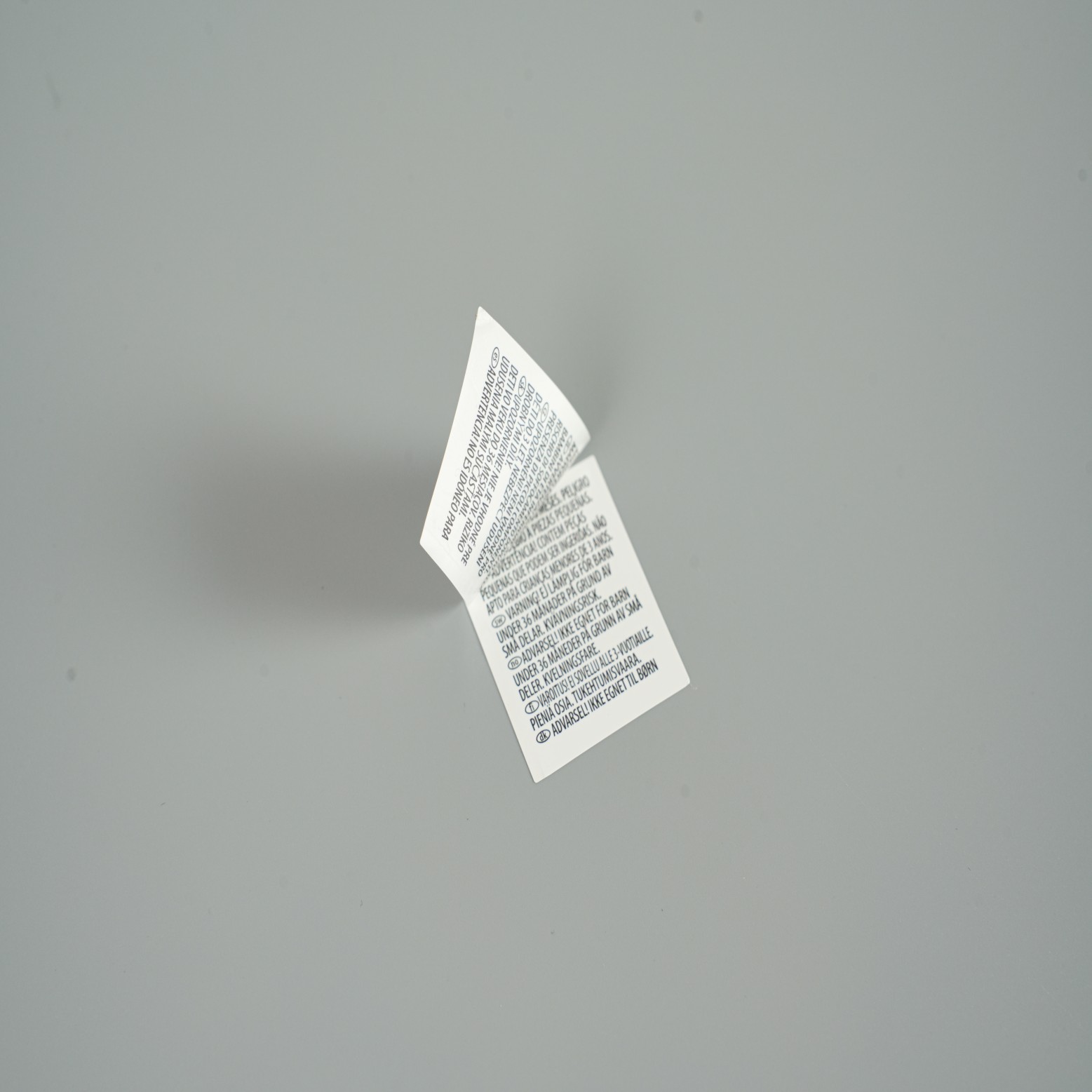
Across most regulated markets, a cosmetic label has to answer the same basic questions: what the product is, who is responsible for it, what is in it, how much it contains, and how to use it safely. The exact wording, order, and language differ by market, but the underlying categories are consistent.
For a manufacturer, this is mainly a space problem. Cosmetic containers are small, and the amount of mandatory text has grown over time — especially where ingredients, warnings, and multiple languages must all fit on one surface.
What Information Must Appear on a Cosmetic Label?
Most markets require the following items somewhere on the label or its immediate packaging:
Product identity — what the product is, so a consumer can tell its function at a glance.
Net content — the nominal quantity, by weight or volume.
Ingredient list — usually in INCI (International Nomenclature of Cosmetic Ingredients) format, listed in descending order of concentration.
Responsible company — the name and address of the manufacturer, packer, or responsible person.
Batch number — for traceability and recalls.
Date of minimum durability or period after opening (PAO) — which one applies depends on the product and market.
Warnings and directions — any precautions or safe-use instructions required for the product type.
Country of origin — where required by the destination market.
Because the required text often exceeds the space on a small container, many brands move to a multi-layer label or booklet label, which carries the full information on additional layers without crowding the main design.
How Do US FDA Cosmetic Labeling Requirements Differ From EU Rules?
Brands exporting to both markets need to plan for two different labelling frameworks, and a single label rarely satisfies both.
In the US, FDA cosmetic labeling requirements are set under the Federal Food, Drug, and Cosmetic Act and the Fair Packaging and Labeling Act. The principal display panel carries the product identity and net quantity, while the information panel carries the responsible firm, the ingredient declaration, and any required warnings. Cosmetics are not pre-approved by the FDA, but colour additives are regulated separately, and newer rules add facility registration, product listing, and safety substantiation obligations.
In the EU, cosmetic labelling follows Regulation (EC) No 1223/2009. A product must have a Responsible Person established in the EU, and the label must show the Responsible Person's name and address, the nominal content, the date of minimum durability or PAO, the batch number, the product's function, any precautions, and the full ingredient list in INCI. Certain fragrance allergens must be declared when they exceed the set thresholds.
Because these frameworks differ, cosmetic labeling US compliance and EU compliance usually require separate label artwork. For specific product types — for example US FDA natural shampoo label regulations — check the current guidance, because wording around terms such as "natural" is closely scrutinised and rules change.
What Should Be Included in a Cosmetic Disclaimer?
A disclaimer or caution statement is not optional padding — it is the part of the label that limits misuse and meets mandatory warning rules. Common cosmetic disclaimer examples include "for external use only", "avoid contact with eyes", "discontinue use if irritation occurs", and "keep out of reach of children".
Warnings must be clear, legible, and permanent. On a small cosmetic container, the space needed for these statements is often the reason brands move to a multi-layer structure, where the caution text sits on a second layer and stays readable without shrinking the type on the front panel.
How Do You Keep cosmetic labels Compliant in Production?
Compliance is not only about what the label says — it is also about whether the text stays readable through the product's life. A required statement that rubs off, fades, or is destroyed by moisture does not meet the requirement in practice.
Choose a waterproof material and finish for products used in bathrooms or around water.
Confirm that small text stays legible at the final label size, including the ingredient list and batch number.
For multi-language markets, plan the space for all required languages before artwork is finalised.
Keep the batch number and expiry area clear of folds, curves, or seams that can obscure it.
Working with a cosmetic label printer that understands these constraints early avoids reprints after artwork has been approved. If your label needs to carry a full ingredient list, multiple languages, and warnings on a small container, a multi-layer or booklet structure can hold the content without shrinking the type — see our custom product labels for a starting point. If you would like us to review your artwork against a target market, send us your requirement.
Conclusion
Cosmetic labeling requirements come down to a short list of mandatory items — product identity, net content, ingredients, responsible company, batch number, durability date, and warnings — but the detail differs between markets, and the label has to keep those statements readable for the life of the product.
Brands that plan the label around the requirements of each destination market, rather than adapting artwork afterwards, avoid the most expensive compliance problems. If you are sourcing labels that must meet US, EU, or other market requirements, share the product type, target market, and required statements with us, and we will confirm a label structure and material that carries the content clearly.
