

 English

Choosing the right custom product labels is important for brands that use different packaging materials. A label that works well on cardboard may not provide the same adhesion on glass, plastic, metal, or textured surfaces.
For businesses ordering labels in bulk, the packaging material, surface condition, application environment, and required durability should all be considered before production.
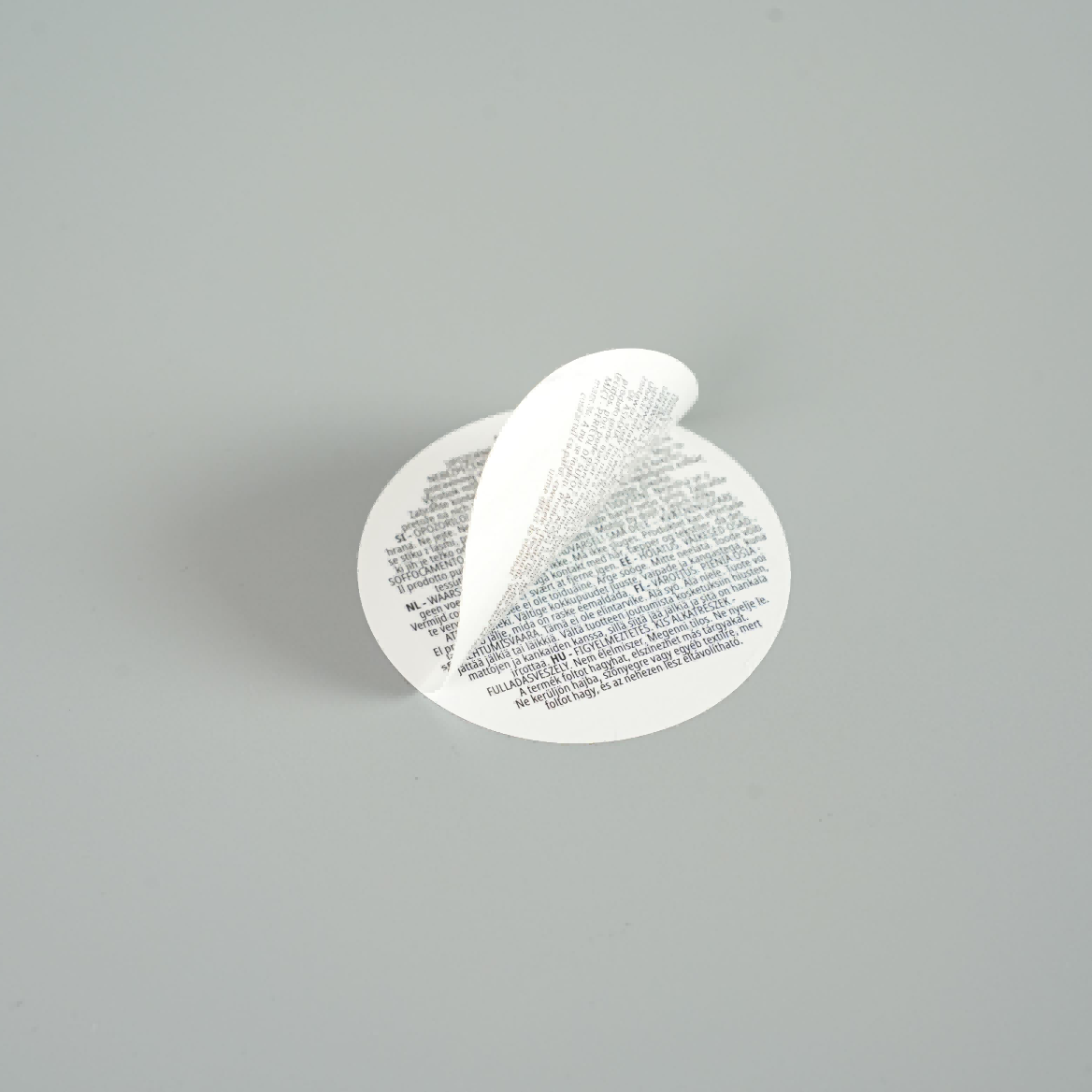
Consider the Packaging Surface
The surface of the packaging is one of the most important factors when selecting a label.
Cardboard: Paper labels are commonly used for boxes and retail packaging.
Glass: Smooth surfaces can work well with a variety of pressure-sensitive adhesives.
Plastic: Different plastics may require specific adhesive solutions.
Metal: Labels for metal products may need stronger adhesion and greater durability.
For curved bottles, containers, and irregular surfaces, the label size, shape, flexibility, and adhesive should be selected together.
Choose the Right Label Material
Custom Product Labels can be produced using different materials depending on the application. Paper can provide an economical solution for general packaging, while synthetic materials such as PET or PP can offer better resistance to moisture and handling.
For products exposed to water, friction, or changing environmental conditions, material selection becomes especially important.
Businesses can also consider custom label printing to develop labels according to their required size, shape, material, and finish.
Match the Adhesive to the Application
Adhesive performance should also be considered when ordering custom Packaging Labels. Permanent labels, removable labels, and labels for demanding environments can require different adhesive solutions.
Before production, buyers should provide information about the packaging surface, application temperature, storage conditions, humidity, and expected service life.
For demanding applications, custom adhesive labels can be customized according to the surface and performance requirements.
Consider Printing and Finishing
Label appearance can have a direct impact on product presentation. Businesses can select different printing colors, finishes, shapes, and materials according to their brand positioning.
For retail products, clear and consistent printing helps customers recognize the brand and product information quickly. For industrial products, readability and durability may be more important than decorative finishes.
Work With an Experienced Label Manufacturer
When purchasing Custom Product Labels in bulk, working directly with an experienced manufacturer can make the customization process easier.
A professional supplier can help evaluate the packaging surface, recommend suitable materials and adhesives, and produce labels according to the required size, shape, printing, and finishing specifications.
This can help businesses reduce adhesion problems, printing issues, and unnecessary material costs before mass production.
Conclusion
The right custom product labels should match the packaging material, surface, application environment, and branding requirements.
By selecting the appropriate material, adhesive, printing method, and finish, businesses can create labels that provide both reliable performance and a professional appearance.
