

 English

Choosing the right label material is one of the most important decisions in product packaging. Labels do much more than display a logo—they communicate product information, enhance shelf appeal, support regulatory compliance, and help protect brand identity. Selecting the wrong material can lead to fading, peeling, moisture damage, or reduced readability during transportation and storage.
Whether you manufacture food products, cosmetics, industrial equipment, or consumer goods, understanding different label materials will help you create packaging that performs reliably throughout the product lifecycle. As a professionalcustom label manufacturer, Jinxin Label provides a wide range of labeling solutions designed to meet diverse industry requirements.
Product environment
Moisture exposure
Temperature conditions
Chemical resistance requirements
Durability expectations
Brand appearance goals
Sustainability objectives
Why Label Material Selection Matters
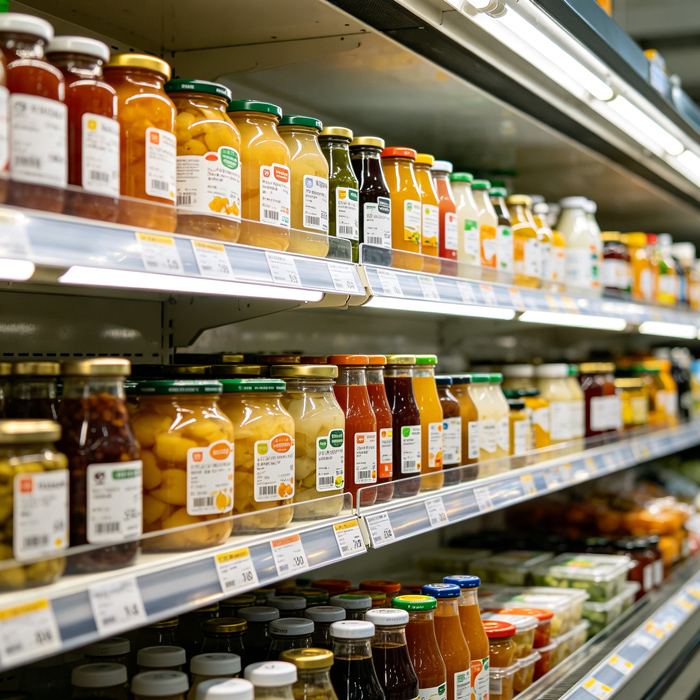
Proper label storage in a temperature-controlled warehouse.
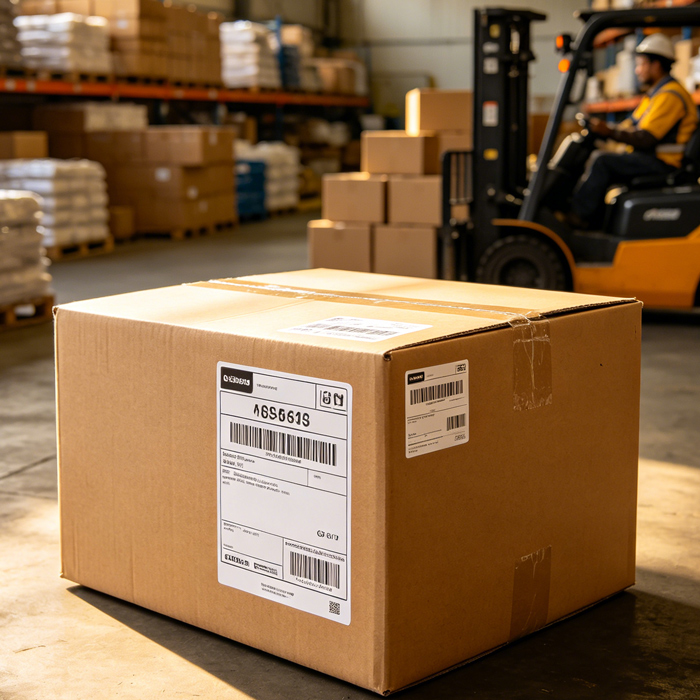
Example of a curling label due to improper storage conditions.
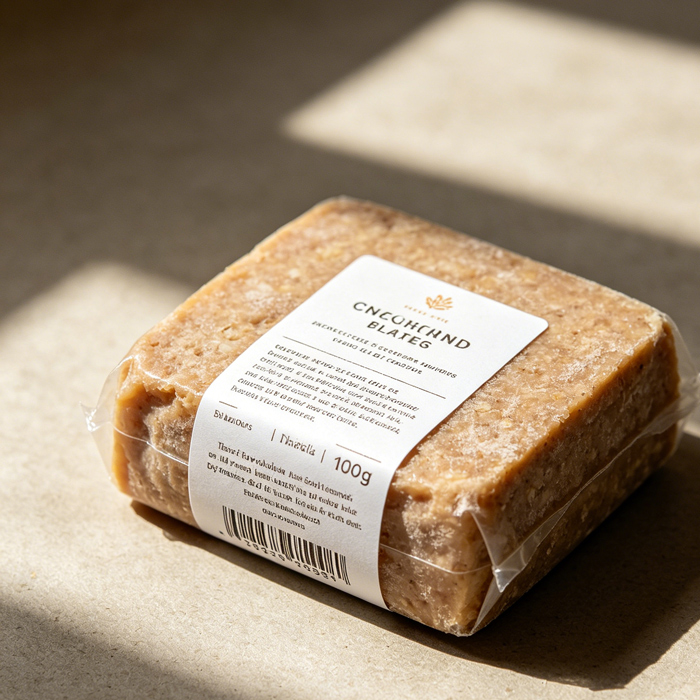
Correctly stored labels maintain adhesive quality and appearance.
Proper label storage in a temperature-controlled warehouse.
Example of a curling label due to improper storage conditions.
Correctly stored labels maintain adhesive quality and appearance.
Packaging Labels are constantly exposed to environmental conditions such as humidity, heat, friction, sunlight, refrigeration, and transportation handling. The material chosen directly affects how well the label maintains its appearance and functionality.
Businesses often focus on graphic design while overlooking material performance. However, a high-quality design printed on an unsuitable material may fail long before the product reaches consumers.
| Requirement | Recommended Material |
|---|---|
| Low-cost retail packaging | Paper Labels |
| Water resistance | PET / PP Labels |
| Outdoor durability | Vinyl Labels |
| Detailed information | Multi-layer Labels |
| Equipment identification | Industrial asset labels |
Paper Labels for Cost-Effective Packaging
Paper labels remain one of the most widely used packaging solutions because they provide excellent print quality at a relatively low cost. They are suitable for dry indoor environments and are commonly used in retail packaging, consumer goods, gift products, and promotional applications.
Advantages of paper labels include:
Affordable production costs
Excellent color reproduction
Easy customization
Suitable for high-volume production
Wide range of finishing options
For businesses seeking economical packaging solutions, professionally designedcustom product labelscan provide both functionality and visual appeal.
However, paper labels are not recommended for environments exposed to water, oils, or excessive abrasion. In such cases, synthetic materials often provide better long-term performance.
Waterproof Labels for Moisture-Prone Environments
Many products encounter moisture during storage, transportation, or daily use. Food containers, beverage bottles, personal care products, and household cleaning products all benefit from waterproof labeling materials.
Common waterproof label materials include:
Polypropylene (PP)
Polyethylene (PE)
Polyester (PET)
Vinyl Films
These materials offer excellent resistance to:
Water
Oil
Chemicals
Tearing
Scratches
Businesses requiring reliable performance in challenging environments often choosewaterproof labelsto ensure branding and product information remain clear and professional throughout the product lifecycle.
Multi-Layer Labels for Information-Rich Packaging
Many industries must comply with regulations requiring detailed product information, including ingredients, usage instructions, safety warnings, nutritional facts, and multilingual content.
When packaging space is limited, traditional labels may not provide enough room. Multi-layer labels solve this challenge by creating expandable information panels without increasing package size.
Industries commonly using multi-layer labels include:
Cosmetics
Pharmaceuticals
Healthcare products
Food packaging
Export products
Advancedmulti-layer label solutionshelp brands provide comprehensive product information while maintaining an attractive package design.
Industrial Labels for Harsh Operating Conditions
Industrial applications demand significantly higher durability than standard consumer packaging. Labels used on machinery, electrical equipment, tools, and manufacturing assets must withstand exposure to extreme environments.
Industrial labels are typically designed to resist:
High temperatures
UV exposure
Chemical contact
Abrasion
Outdoor weather conditions
These labels play a critical role in asset tracking, inventory management, equipment maintenance, and safety compliance. Durableasset tags and industrial labelshelp organizations improve operational efficiency while reducing replacement costs.
Consider Sustainability and Regulatory Requirements
Environmental responsibility has become increasingly important in packaging decisions. Many brands now seek recyclable materials and sustainable production practices that align with consumer expectations and international regulations.
Choosing an experienced supplier with strong manufacturing capabilities can help businesses meet both quality and sustainability goals. Learning more about a manufacturer's expertise and certifications can support better purchasing decisions.
Explore the company'slabel manufacturing expertiseto understand how quality control and responsible production contribute to long-term packaging success.
Conclusion
Selecting the right label material depends on product usage, environmental conditions, branding requirements, regulatory obligations, and budget considerations. Paper labels offer affordability, waterproof labels provide durability, multi-layer labels maximize information capacity, and industrial labels ensure reliable performance in demanding environments.
By carefully evaluating these factors and partnering with a trusted labeling supplier, businesses can improve packaging performance, strengthen brand presentation, and deliver a better customer experience.
Frequently Asked Questions
What is the best label material for food packaging?
Waterproof PP and PET materials are commonly used for food packaging because they resist moisture, refrigeration, and handling during transportation.
Are waterproof labels more durable than paper labels?
Yes. Waterproof labels generally offer superior resistance to water, oil, chemicals, and abrasion, making them suitable for demanding environments.
When should I use multi-layer labels?
Multi-layer labels are ideal when product packaging requires detailed instructions, ingredient lists, safety information, or multiple language versions.
What industries use industrial labels?
Industrial labels are widely used in manufacturing, electronics, logistics, automotive, construction, and equipment management applications.
How can sustainable labels support my brand?
Sustainable labels help reduce environmental impact, support corporate responsibility goals, and meet growing consumer demand for eco-friendly packaging solutions.
